
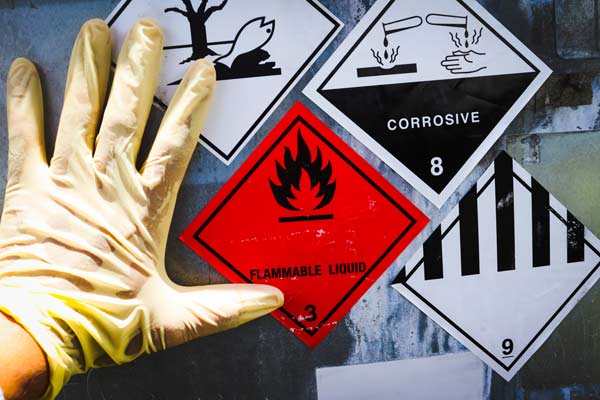
Transportation of Dangerous Goods (TDG) Training Made Simple: Key Facts You Need to Know
Has the Transportation of Dangerous Goods Legislation changed in 2026?
Changes to the Transportation of Dangerous Goods Regulations introduced by SOR/2026-127 came into force on July 1, 2026. However, the regulations include a 12-month transition period during which organizations may continue complying with the previous regulations. The updated requirements must be followed beginning July 1, 2027.
For most people transporting dangerous goods by road, the changes are relatively limited, although some requirements involving special cases, shipping documents, residues, dangerous goods safety marks, limited quantities and means of containment have been revised. Many of the changes improve clarity and better align the Canadian regulations with international standards and other Canadian regulatory requirements.
There were some significant changes to the lithium battery mark. The minimum size of the lithium battery mark has been reduced from 120 mm × 110 mm to 100 mm × 100 mm, and the telephone number is no longer required on the mark.
The changes are more significant for rail transportation. At least one buffer car must separate an occupied railway vehicle—including an occupied locomotive—from a railway vehicle transporting dangerous goods for which a placard is required. This requirement now applies to unit trains (haul one identical product straight from one point to another) as well as mixed freight trains.
We are updating our training program to reflect these amendments, and the updated training will be available well before the transition period ends on June 30, 2027.
What does TDG stand for?
TDG stands for Transportation of Dangerous Goods. It refers to the Canadian regulations governing the safe handling, packaging, labelling, and transportation of hazardous materials by road, rail, air, or sea.
What are dangerous goods?
According to the Regulation, a substance is a dangerous good when
(a) it is listed by name in Schedule 1 and is in any form, state or concentration that meets the criteria in this Part for inclusion in at least one of the nine classes of dangerous goods; or
(b) it is not listed by name in Schedule 1 but meets the criteria in this Part for inclusion in at least one of the nine classes of dangerous goods.
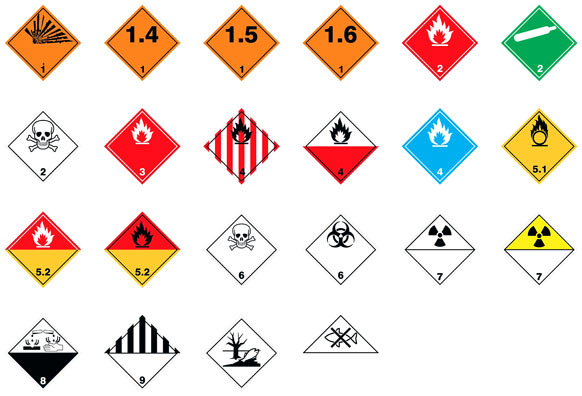
What are the Transportation of Dangerous Goods safety marks?
The TDG regulations utilize labels and placards to convey the level and type of hazards associated with dangerous goods.
Do you know the safety marks? Try our free Transportation of Dangerous Goods game to find out.
Free Transportation of Dangerous Goods game
Click on the image below to start the Free Transportation of Dangerous Goods game.

What is TDG training?
TDG training helps keep our workplaces safe by teaching everyone who handles or transports dangerous goods how to do so safely. It covers essential topics such as how to classify and package materials, the appropriate paperwork to use, safety markings such as labels and placards, and what to do in an emergency. It’s all about ensuring we know how to stay safe and compliant when transporting dangerous goods to their destinations.
There are two main types of training: the awareness training and the task-specific training that you receive on the job. AixSafety.com provides free Transportation of Dangerous Goods awareness training.
What is the UN number?
The UN number is a unique identifier for hazardous substances or classes of materials, enabling emergency responders and shippers to understand potential dangers and take appropriate actions quickly. You can find the UN number in Schedule 1 listed by UN number, or in Schedule 3 in alphabetical order.
What is a placard?
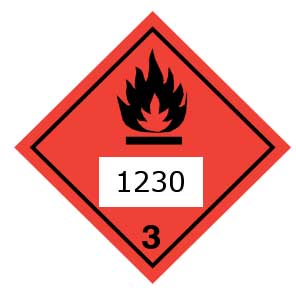
A placard is a large, conspicuous safety mark displayed on a means of containment with a capacity greater than 450 litres (a large means of containment). Each side of a placard must be at least 250 mm in length (some exceptions). Placards must be displayed on all four sides and must be affixed before loading begins.
Who must have a training certificate to transport dangerous goods?
Anyone who handles, offers for transport, or transports dangerous goods in Canada must have a valid TDG training certificate. This includes truck drivers, warehouse staff, shipping and receiving clerks, and even office staff who prepare shipping documents. When someone changes employers or their job duties change significantly, they must be retrained.
Can I issue my own TDG certificate?
The self-employed may issue themselves a training certificate if they have reasonable grounds to believe they are adequately trained.
For most workers, the employer can issue the TDG certificate after the worker has completed training and demonstrated competence. Usually, training providers supply the awareness education, but your employer signs and issues the certificate. Check here for the free Transportation of Dangerous Goods training.
How long is TDG training good for?
A TDG training certificate for road, rail or vessel is valid for 3 years (36 months). After this period, retraining is required to remain compliant with Canadian law. For air, the training must be refreshed every 2 years.
What are the fines for TDG violations?
Anyone who breaks the Transportation of Dangerous Goods Act, its regulations, or related orders or directions can face severe penalties — up to $50,000 for a first offence, $100,000 for repeat offences, or two years in jail. After a conviction, a court may also order the offender to pay up to $1 million in damages, clean up or repair environmental harm, or support safety research. For minor violations, inspectors can issue tickets that carry fines ranging from $2,000 to $4,000.
How much does TDG training cost?
The cost of Transportation of Dangerous Goods (TDG) training depends on who provides it and how it’s delivered. Most online courses cost between $25 and $50 per person. Group or in-person sessions will cost more. AixSafety.com has free online TDG training.
Is WHMIS the same as TDG?
No, they are not the same. WHMIS (Workplace Hazardous Materials Information System) addresses hazardous products that are used and stored in the workplace, while TDG (Transportation of Dangerous Goods) focuses on the transportation of dangerous goods. Many workers need training in both areas to ensure compliance and safety. See our free WHMIS training.
very good information i learnedso much
This is very informative, says a lot about how to prevent dangers at work spaces
very good information, my husband was burned and died in a gas plant explosion due to faulty stack.
Thank you for reading and sharing your thoughts. I liked it
It was gread
muy buenos